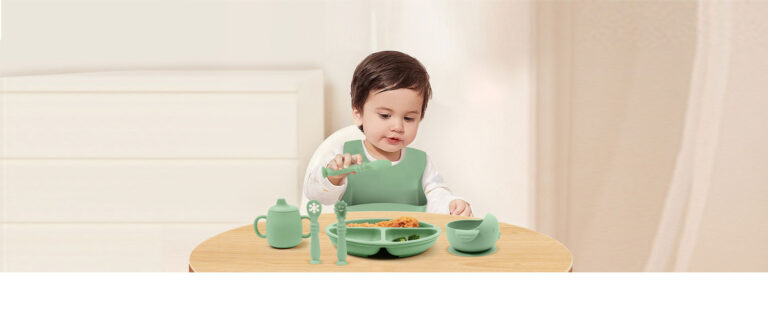
Here is a fun fact: a plastic baby bowl labeled "BPA-free" probably just swapped BPA for BPS or BPF. Same family of chemicals. Same endocrine disruption. Different acronym your pediatrician has not heard of either.
Manufacturers love this trick. Ban one chemical, substitute a cousin, slap "free" on the label, nobody checks. The European Commission finally caught on — they proposed a ban on all bisphenols in food-contact materials in 2024. But most countries have not followed yet.
So Why Silicone?
Let me skip the marketing buzzwords and tell you what I actually see in our factory.
We make both. Plastic molds and silicone molds. Plastic is faster, cheaper, and the margins are better for us. A plastic bowl takes 20 seconds per shot in a cold-runner mold. Silicone takes 2 to 3 minutes per cavity because the material has to cure under heat. That is why silicone costs more — not because it is "premium," because the math is worse for everyone involved.
But here is what else I see:
Temperature. You can boil a silicone teether for 5 minutes and it comes out exactly the same — same texture, same shape, nothing leached. Try that with plastic and you are drinking microplastics with your tea. Google "bottle-fed babies consuming microplastics" — there is actual research on this now, and the numbers are not small.
Texture. Silicone has surface friction. It does not get that greasy, slippery feel plastic gets when it is old. For baby spoons and bowls that a 7-month-old is going to throw across the kitchen, the grip matters more than the spec sheet.
Smell. Plastic absorbs odors. Leftover tomato sauce from last night pasta will haunt that bowl for weeks. Silicone does not hold smell — it is non-porous at the molecular level.
The Honest Downside
Silicone attracts lint. If you have a silicone bib, you already know — somehow every speck of dust in a 2-mile radius finds it. And silicone stains eventually. Not from food, but from dyes in things like carrot puree or tomato sauce, over months of use.
And it is heavier than plastic. For a toddler who is just learning to hold their own cup, a silicone cup weighs more than a polypropylene one. Some parents prefer plastic for that exact reason, and that is valid.
When Plastic Actually Wins
- Travel: it is lighter
- Budget: you can get 3 plastic bowls for the price of 1 silicone one
- Daycare labels: those sticker name tags actually stick to plastic. Silicone? Forget it.
Bottom Line
I am not going to tell you silicone is always better. If you are traveling with a baby and need cheap, lightweight, disposable — get the plastic. But if the bowl is going to be used 3 times a day, every day, for 2 years, and heated, and dropped, and chewed on — silicone stops looking expensive and starts looking like the only option that makes sense.
We have sold to brands that started with plastic and switched after one customer complaint about "chemical smell." We have also sold to brands that use silicone bibs and plastic everything else because their customers will not pay the premium.
You just need to know which corner you are cutting and why.